Digital Hydraulics: Power on Demand

HOW VARIABLE-SPEED HYDRAULIC DRIVES SAVE ENERGY

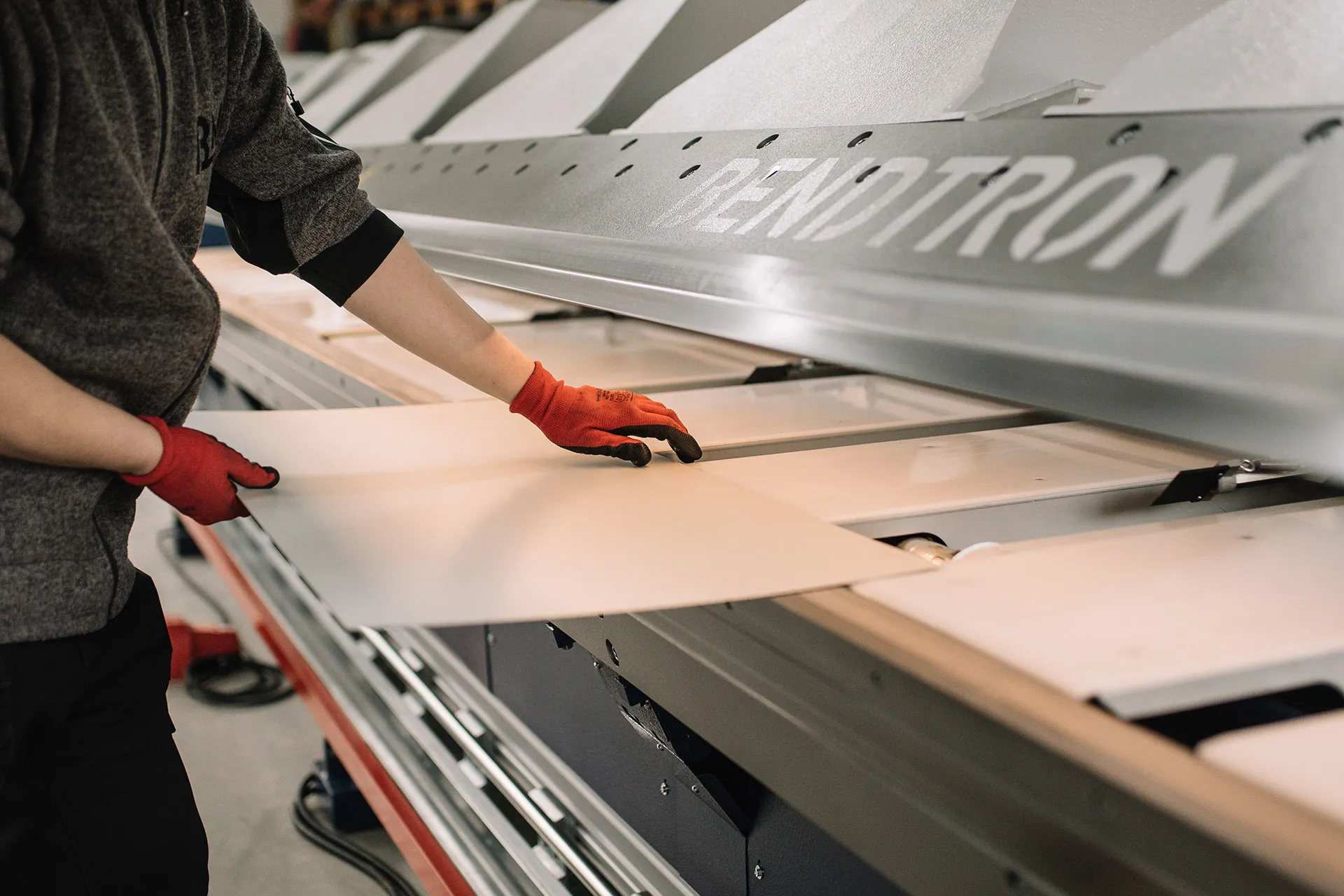
Biegemaster BENDTRON

Hydraulic drives can reliably deliver high forces – but not all hydraulic systems are the same. Modern servo-hydraulics – also referred to as “digital hydraulics” – adapt the drive output to the actual demand of the bending machine. This can significantly reduce energy consumption while enabling faster machine cycles.

Biegemaster uses this technology in the S-BEND long folding machine and the XBEND double bender. In-house power and time measurements conducted during the production of different profiles show that, compared with similar machines using conventional hydraulics, power consumption can be reduced by more than 50 percent, depending on the application.


How does Servo-Hydraulics work?

In a servo-hydraulic system, the speed of the motor and pump is controlled according to demand. This is achieved using Variable Speed Drives (VSDs). A variable-speed electric motor controls the drive speed, enabling direct control of flow and pressure – and ultimately of the machine’s force and speed.

The key point: The hydraulic system adapts to the current load requirements. It therefore provides power when it is actually needed.

What is the difference compared with conventional hydraulics?

In a conventional hydraulic system, the electric motor runs at a constant speed. Pressure, flow, and direction are controlled by valves. If the available hydraulic power is not fully required, excess hydraulic oil flows back into the tank via an overflow or pressure relief valve.

This results in energy losses. Servo-hydraulics address this issue by adapting the available power more closely to the actual demand.

50–70% LOWER POWER CONSUMPTION

Lower power consumption compared with similar machines using conventional hydraulics.*

POWER ON DEMAND

The motor and pump adapt their speed to the current load requirements.

SHORTER PROCESSING TIMES

Faster machine cycles for the profiles tested by Biegemaster.*

REDUCED ENERGY LOSSES

Excess hydraulic oil does not have to be continuously returned through a pressure relief valve.

*Based on power and time measurements conducted by Biegemaster during the production of different profiles.


Digital hydraulics at Biegemaster

Biegemaster uses servo-hydraulics in the S-BEND and the fully automatic XBEND double bender. Both machines use demand-based power control, but combine it with different machine concepts and areas of application.

Which hydraulic system is right for your operation depends on the overall bending process, the profiles being produced, and your requirements for performance and automation.

Digitale Hydraulik: Biegemaster Doppelbieger XBEND
Logo XBEND

Fully automatic double bender with servo-hydraulics.

Demand-based power control supports dynamic and efficient machine cycles for fully automatic bending in both directions.

Digitale Hydraulik: Biegemaster S-BEND
Logo XBEND

High hydraulic bending performance with servo-hydraulics.

High bending performance for up to 3 mm steel and 4 mm aluminum combined with demand-based power control – for powerful bending processes with reduced energy consumption.


We provide personal, expert advice

Servo-hydraulics are one component of the overall machine concept. The right machine series and equipment for your requirements are best determined based on your specific production tasks.

YOUR CONTACT:

Mario Traub
Head of Sales

Biegemaster - Konischer Tiefenanschlag